
Why Choosing the Right UHF RFID Tag Reader Matters
If you’ve ever deployed an RFID system, you already know this:most failures don’t come from tags — they come from choosing the wrong reader.
A UHF RFID tag reader is not just a device that “reads tags.”
It’s the core of your entire system, directly affecting:
- Read accuracy
- System stability
- Integration complexity
- Long-term maintenance cost
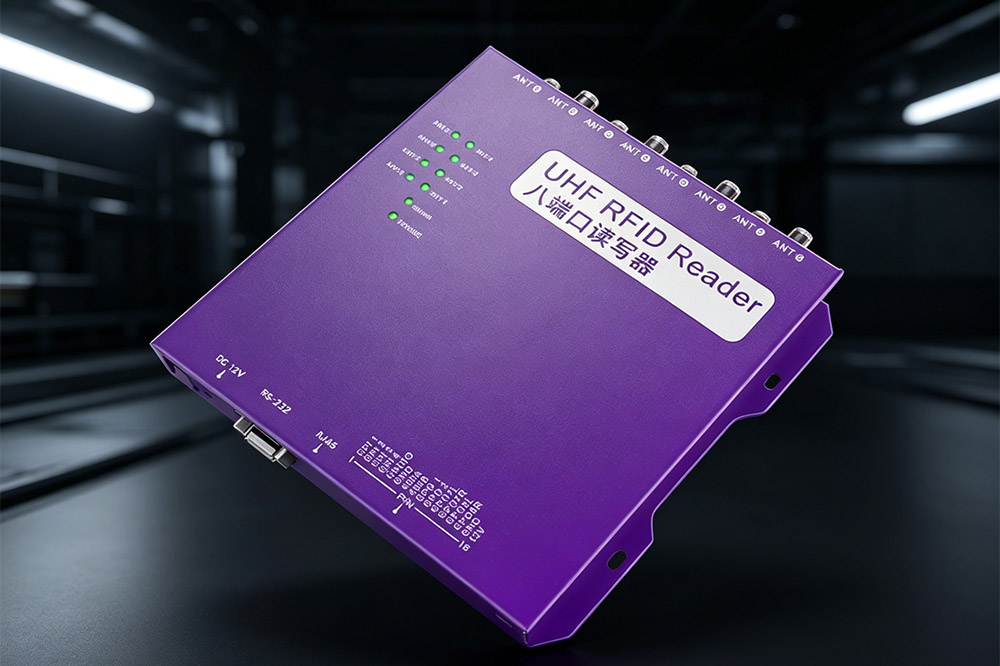
1. Understand Your Application First
Before comparing specs, start with your actual use case.Ask yourself:
- Is this for warehouse, production line, or smart cabinet?
- Do you need bulk reading or single-item precision?
- Is the environment metal-heavy or open space?
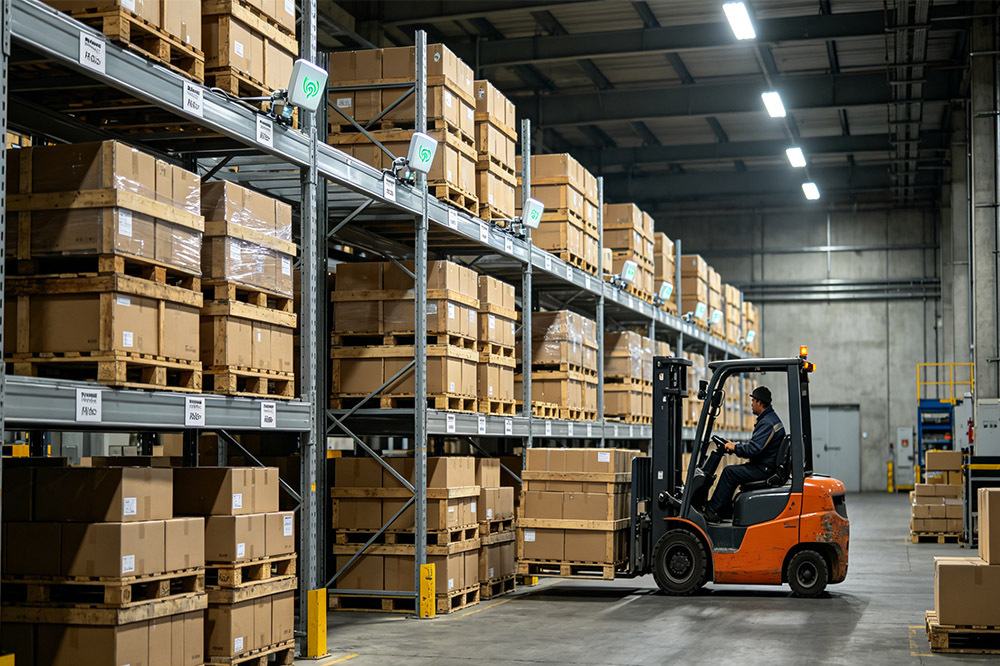
- Warehouse → long range + multi-tag reading
- Tool tracking → anti-metal + accuracy
- Smart cabinet → short range + controlled reading
2. Read Range: Real-World vs Datasheet
Most suppliers will claim 10–15 meters read range.But in real deployment, read distance depends on:
- Tag type (especially on-metal tags)
- Antenna gain
- Installation angle
- Environmental interference
- Open environment → 8–12 meters
- Indoor warehouse → 5–8 meters
- Metal-heavy environment → 2–5 meters
3. How Many Antenna Ports Do You Actually Need?
This is one of the most misunderstood decisions.4-Port Reader
- Small systems
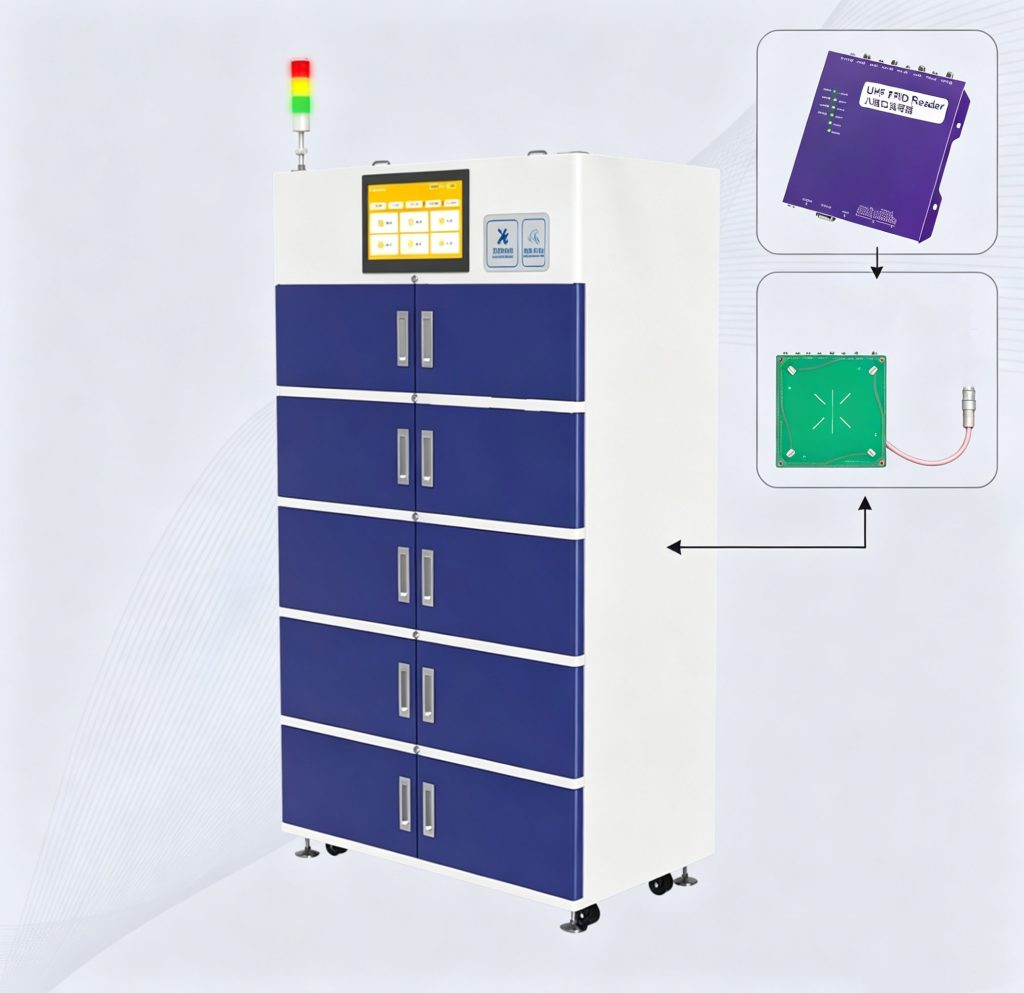
- Smart cabinets
- Single-zone reading
8-Port Reader
- Warehouse zones
- Multi-shelf coverage
- RFID tunnels
16-Port Reader
- Large-scale deployments
- High-density tracking
- Complex layouts
A good example is thisfixed UHF RFID reader,It supports flexible 4 / 8 / 16 port configurations, making it easier to adapt the same hardware across different projects without redesigning the system.
4. Multi-Tag Reading Performance
In industrial environments, you’re rarely reading just one tag.What matters is:
- Tags per second (anti-collision capability)
- Stability under dense tag conditions
- Missed read rate
- 200–400+ tags per second
- Stable performance in bulk reading scenarios
5. Interfaces & Integration
Many buyers overlook this part — until integration begins.Make sure your reader supports:
- TCP/IP (standard for network integration)
- RS232 / RS485 (industrial environments)
- GPIO (for triggers, sensors, alarms)
- API availability
- SDK support
- Documentation quality
6. Can It Be Integrated Into Your System?
This is the question that really matters.A good UHF RFID tag reader should not be a standalone device —
it should be a flexible module inside your solution.
For example, it should be able to integrate into:
- RFID gate systems
- Smart cabinets and lockers
- Production line tracking systems
- Automated conveyor systems
- Custom IoT equipment
7. Stability Over Specs
Specs look good on paper. Stability is what matters on-site.Check for:
- Continuous operation capability (24/7)
- Heat dissipation design
- Industrial-grade housing
- Firmware stability
8. Common Mistakes Buyers Make
Avoid these typical issues: Choosing based on price only Ignoring antenna configuration Not testing in real environment Overlooking integration complexity Buying “general-purpose” readers for industrial use
Final Thoughts: What You Should Do Next
If you’re planning an RFID project, don’t start with “which reader is cheapest.”Start with:
- Your application scenario
- Required coverage area
- Tag type and environment
- Integration requirements
Need Help Choosing the Right Reader?
If you’re not sure which configuration fits your project:- Share your application (warehouse / cabinet / production line)
- Provide layout or rough dimensions
- Mention tag type (if already selected)
✔ Recommended reader model
✔ Antenna configuration plan
✔ Integration suggestions
This will save you weeks of testing and avoid costly mistakes later.