
7879378475
New member
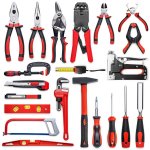
A clamping force figure of 300 kg means the clamp is claimed to press with roughly the force of a 300 kg weight, but the number only makes sense when you know how it was measured and how the clamp is built. Clamping force gets the most attention in any catalog and is the figure people misunderstand the most. A bigger number sounds better, so buyers chase it.
What is Clamping Force?
Clamping force is the pressure a clamp can apply to hold something in place, usually shown in kilograms, pounds or newtons. The number depends on how it was measured. Which sample was tested? How much effort was used on the handle? Was the rail straight, or did it flex? Two factories can list very different figures for similar clamps simply because they test differently.Where Does Clamping Force Come From?
It comes from a screw, lever, ratchet or trigger mechanism that multiplies the user's hand effort. Then the clamp's body has to hold the load without bending. Force isn't useful if the rail bows, the jaws twist or the thread strips, which is why design details matter as much as the headline number.Duratec's 661-90mm ultra heavy duty quick clamp is listed with 300 kg of clamping force, an I-beam rail with a broadened profile to limit bending, and an induction-hardened rail. The number is only one piece; the rail shape and hardening help the clamp deliver it.
What Is the Difference Between Strength and Deflection?
Strength is the load a part can take before it fails, while stiffness is how much it bends while carrying that load. A clamp can be strong enough not to break yet flexible enough to leave a gap, and in woodworking that gap can ruin a glue joint. Duratec's 699 heavy duty parallel clamp is described with a heat-treated, serrated steel rail aimed at high clamping force with minimal deflection, which shows the maker is thinking about both ideas.When testing samples, check whether the rail stays straight and the jaws stay square under pressure, not just whether the clamp holds.
Is More Clamping Force Always Better?
No. Too much force can crush soft materials, dent thin panels and squeeze all the glue out of a joint. A cabinet maker usually wants even, controlled pressure. Different jobs call for different tools:- Light assembly and finishing suit spring clamps and quick clamps.
- Wide panels and glue-ups suit parallel clamps.
- Heavy holding on a bench or in a workshop suits F clamps with strong arms.
How Do Jaws and Pads Change the Result?
Force spreads across the contact area. A narrow jaw concentrates pressure and can leave marks, while a wider jaw or soft pad spreads it out. Duratec lists its 865-80 heavy-duty F clamp with reinforced ductile cast iron arms and soft pads that protect the workpiece. Ask your supplier about pad material, hardness and whether pads can be replaced.How Can You Check a Clamping Force Claim Yourself?
Ask the factory how the figure was measured and request any test records. Then try a simple routine:- Clamp the tool onto a rigid test block and tighten firmly by hand.
- Look for rail bending, thread slipping or jaw twisting.
- Repeat several times, since early performance can hide later wear.
What Questions Should You Ask Your Supplier?
A hand tool manufacturer that understands its products will answer these without fuss:- How is clamping force measured?
- Is the figure a maximum or a typical value?
- What happens to the rail at that load?
- What failure modes were seen in testing?