
Helen Rose
New member
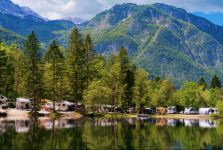
Not all campers are alike. Some want to hear raindrops on canvas, others prefer a soft bed and a roof, and many simply love rolling up in their own home on wheels. The good news is that lake livingston camping can fit all three styles. The trick is knowing which one suits you, your group, and the kind of trip you're planning. This article compares tents, cabins, and RVs in an honest, down-to-earth way, so you can choose with confidence. There's no wrong answer, only the one that helps you relax and enjoy your time outdoors.
The Tent Experience: Closest to Nature
Tent camping is the classic way to enjoy the outdoors. You sleep close to the ground, hear every sound of the night, and wake up with the sun. It's also the most affordable option, which makes it appealing for budget-minded travelers. Setting up a tent can be a fun group activity, and there's something deeply satisfying about building your own little shelter.Comfort takes a bit of planning. A good sleeping pad, a pillow, and a warm bag make a huge difference. Choose a tent that's slightly bigger than you think you need, so gear has room to breathe. Practice setting it up at home before you go. Tents suit adventure families, couples who love simplicity, and anyone who enjoys the full outdoor experience. The tradeoffs are weather exposure and less privacy from sound, so bring earplugs if you're a light sleeper. If you embrace the rustic charm, tent camping can be wonderfully rewarding.
Cabins and RVs: Comfort With a View
Cabins offer a comfortable middle ground. You get a real bed, a solid roof, and shelter from heat, rain, or cold, while still being right beside the lake. They're ideal for families with young children, older relatives, or first-time campers who want to ease into the outdoors. Cabins also make it easier to pack light, since you don't need to haul a tent or sleeping gear.RVs bring even more independence. You carry your kitchen, bathroom, and bed with you, and you can settle in quickly after a long drive. RV travelers appreciate the flexibility to cook, rest, and leave on their own schedule. Setting up involves hooking up utilities and leveling the unit, but once that's done, you're home. RVs suit retirees, families on longer trips, and anyone who values convenience. The cost of owning and maintaining a rig is higher, but renting one for a weekend can be a fun way to test the lifestyle before committing.
Choosing the Right Fit for Your Trip
Start by thinking about who's coming and what they need. Small kids might do best in a cabin with a bathroom close by, while teenagers might beg to sleep in a tent. Couples may enjoy the privacy and charm of a cabin or the freedom of an RV. Groups can mix and match, with different people choosing different setups while still camping side by side.Consider the season and your tolerance for discomfort. Summer heat is easier to manage in an air-conditioned cabin or RV, while spring and fall are perfect for tents. Think about your budget, your gear, and how much effort you want to put into setup and cleanup. If you're unsure, try a cabin first and decide whether you want to graduate to something more rugged. Many campers use different styles at different times. Flexibility keeps the experience fresh, and there's no rule saying you have to pick just one forever.