
A workshop can have a clear tool storage area and still struggle to control its equipment.
Tools move between technicians, production lines, maintenance rooms, vehicles, and temporary work areas. Some are borrowed for a few minutes, while others remain outside storage for several days. When these movements are not recorded, managers may lose track of tool ownership, availability, and condition.
This becomes more serious when tools are expensive, calibrated, safety-critical, or shared by multiple teams.
An RFID tool control system helps organize this process by connecting physical tools with digital records, user permissions, storage locations, and usage history. Instead of relying entirely on manual checks, companies can use RFID technology to identify tools and monitor important control points automatically.
A typical system may include:
The system may also connect the tool with a user, department, work order, or maintenance task.
This creates a more complete record than simply counting tools in storage.
A factory maintenance team may use the same torque wrench across several production lines. An aviation department may need to control calibrated tools carefully. A repair workshop may send tool kits to different service locations.
Without a clear control process, several problems can appear:
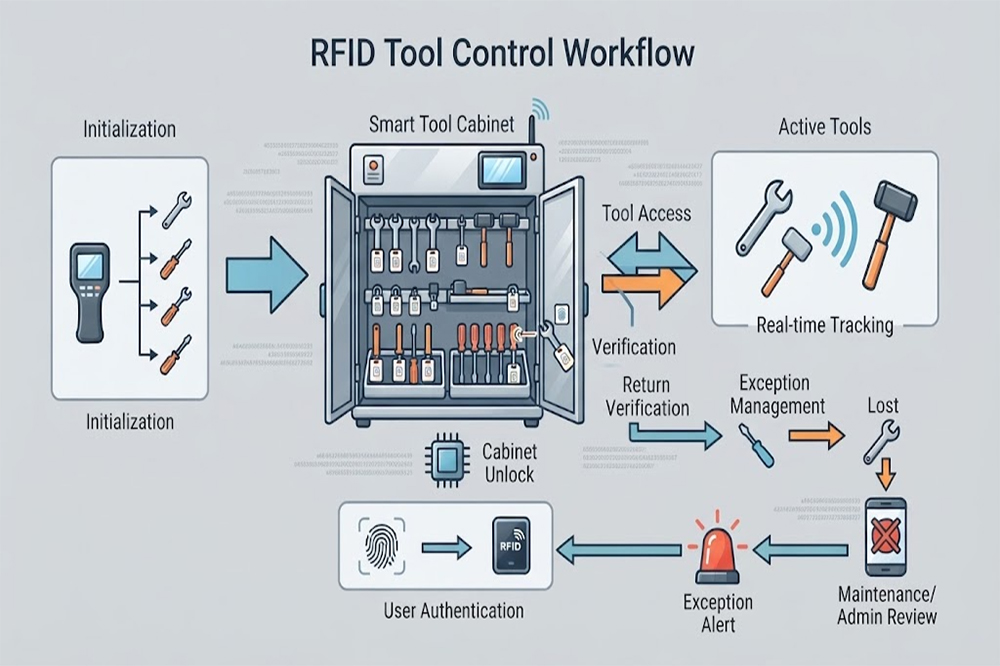
The record may include:
The system can apply different access rules based on user role, department, training, or authorization level.
For example, standard hand tools may be available to all technicians, while specialized measuring equipment may require approval.
The software can then update the tool status and connect the movement with the user.
Possible statuses include:
Available → Checked Out → In Use → Returned → Available
Additional statuses may include:
Under Maintenance → Calibration Required → Restricted → Missing
Examples include:
When employees authenticate before accessing tools, the system can record:
For example:
User: Technician B
Tool: Torque Wrench 024
Checkout Time: 09:15
Return Time: 13:40
Status: Returned
These records can help managers investigate missing tools and understand usage patterns.
However, the data should be treated as a record of system activity. It may not explain every event that happens after a tool leaves the reading area.
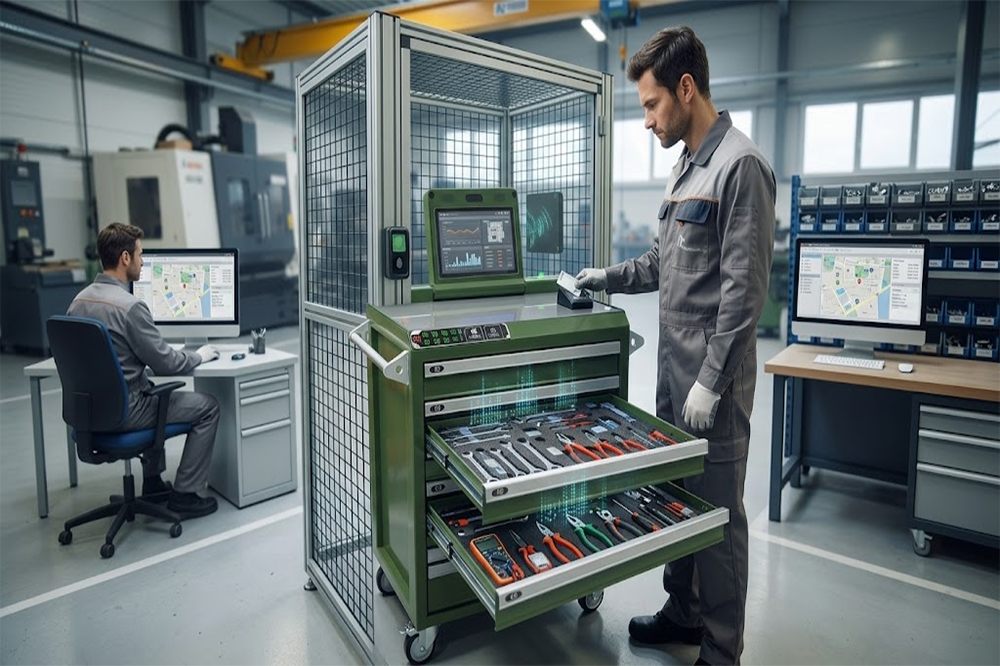
A basic screwdriver may only need inventory tracking. A calibrated torque wrench, specialized aviation tool, or high-value testing instrument may require additional controls.
An RFID tool control system can support different management levels.
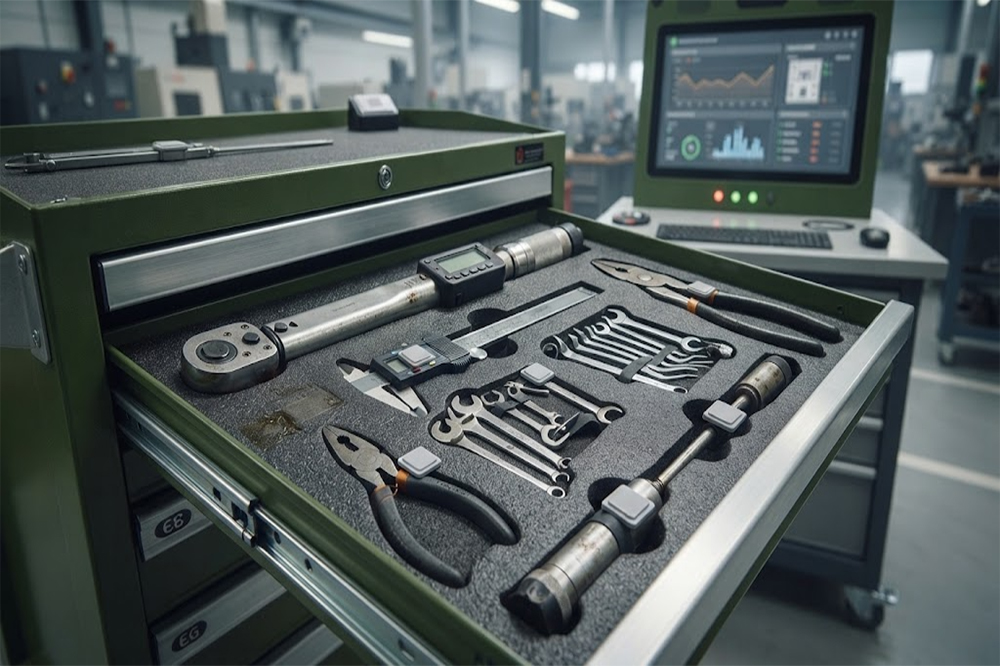
An RFID tool cabinet is suitable for centralized storage. It can combine secure access, automatic tool identification, inventory checking, and user management.
An RFID tool cart is more suitable when technicians need to move a complete tool set between work areas.
A fixed RFID reading zone may work well at the entrance of a tool room or maintenance area.
Handheld RFID readers can support mobile inventory checks and investigations.
The right choice depends on how tools move through the workplace.
A centralized tool room may benefit from a smart cabinet, while a mobile maintenance team may need an RFID cart or handheld device.
For example, a technician may receive a work order requiring several specific tools.
The system can record which tools were issued for that task and verify whether they were returned after the work was completed.
This can help organizations:
Tools move between technicians, production lines, maintenance rooms, vehicles, and temporary work areas. Some are borrowed for a few minutes, while others remain outside storage for several days. When these movements are not recorded, managers may lose track of tool ownership, availability, and condition.
This becomes more serious when tools are expensive, calibrated, safety-critical, or shared by multiple teams.
An RFID tool control system helps organize this process by connecting physical tools with digital records, user permissions, storage locations, and usage history. Instead of relying entirely on manual checks, companies can use RFID technology to identify tools and monitor important control points automatically.
What Is an RFID Tool Control System?
An RFID tool control system is a combination of hardware and software used to manage tool access, movement, storage, and accountability.A typical system may include:
- RFID tags attached to tools
- UHF RFID readers
- RFID antennas
- RFID tool cabinets or carts
- User authentication devices
- Tool management software
- Inventory and maintenance records
- ERP or enterprise software integration
The system may also connect the tool with a user, department, work order, or maintenance task.
This creates a more complete record than simply counting tools in storage.
Why Workshops Need Better Tool Control
Tool control becomes difficult when equipment is shared and frequently moved.A factory maintenance team may use the same torque wrench across several production lines. An aviation department may need to control calibrated tools carefully. A repair workshop may send tool kits to different service locations.
Without a clear control process, several problems can appear:
- Tools are returned to the wrong location
- Employees cannot find required equipment
- Missing tools are discovered too late
- Expired or damaged tools remain in circulation
- Manual records become inconsistent
- Managers cannot identify the last responsible user
How Does RFID Tool Control Work?
1. Assign a Digital Identity
Each tool receives an RFID tag linked to a record in the management system.The record may include:
- Tool number
- Tool name
- Tool category
- Storage location
- Assigned department
- Calibration status
- Maintenance status
- Authorized users
2. Define Access Rules
Not every employee needs access to every tool.The system can apply different access rules based on user role, department, training, or authorization level.
For example, standard hand tools may be available to all technicians, while specialized measuring equipment may require approval.
3. Identify Tool Movement
When a user removes or returns a tool through an RFID-enabled cabinet, cart, or reading zone, the reader detects the tag.The software can then update the tool status and connect the movement with the user.
Possible statuses include:
Available → Checked Out → In Use → Returned → Available
Additional statuses may include:
Under Maintenance → Calibration Required → Restricted → Missing
4. Monitor Exceptions
A tool control system should also identify unusual situations.Examples include:
- A tool is overdue
- A restricted tool is accessed
- A tool is returned to the wrong location
- A tool is missing from expected inventory
- A calibrated tool is overdue for inspection
- A tool remains checked out after a work order is completed
RFID Tool Control and User Accountability
One of the main benefits of RFID tool control is the connection between a tool and its user.When employees authenticate before accessing tools, the system can record:
- Who accessed the tool
- Which tool was taken
- When it was taken
- Where it was stored
- When it was returned
- Whether the tool was overdue
For example:
User: Technician B
Tool: Torque Wrench 024
Checkout Time: 09:15
Return Time: 13:40
Status: Returned
These records can help managers investigate missing tools and understand usage patterns.
However, the data should be treated as a record of system activity. It may not explain every event that happens after a tool leaves the reading area.
Controlling High-Value and Restricted Tools
Some tools require stricter control than others.A basic screwdriver may only need inventory tracking. A calibrated torque wrench, specialized aviation tool, or high-value testing instrument may require additional controls.
An RFID tool control system can support different management levels.
Standard Tools
- Basic RFID identification
- General checkout records
- Routine inventory checks
High-Value Tools
- User authentication
- Detailed movement history
- Restricted access
- Overdue notifications
Calibrated Tools
- Calibration status
- Inspection reminders
- Maintenance records
- Restricted use after expiration
Safety-Critical Tools
- Authorized-user access
- Mandatory return checks
- Work-order association
- Exception alerts
RFID Tool Cabinets and Tool Carts
Different workplaces need different storage and control methods.An RFID tool cabinet is suitable for centralized storage. It can combine secure access, automatic tool identification, inventory checking, and user management.
An RFID tool cart is more suitable when technicians need to move a complete tool set between work areas.
A fixed RFID reading zone may work well at the entrance of a tool room or maintenance area.
Handheld RFID readers can support mobile inventory checks and investigations.
The right choice depends on how tools move through the workplace.
A centralized tool room may benefit from a smart cabinet, while a mobile maintenance team may need an RFID cart or handheld device.
RFID Tool Control for Maintenance Work Orders
Tool control can become more useful when connected to maintenance tasks.For example, a technician may receive a work order requiring several specific tools.
The system can record which tools were issued for that task and verify whether they were returned after the work was completed.
This can help organizations:
- Prepare tool kits
- Associate tools with work orders
- Check tool returns
- Identify missing equipment
- Review tool usage history
- Support maintenance documentation