
Industrial tools are assets, even when they are too small to appear on a company’s main equipment register. Torque wrenches, measuring instruments, maintenance tools, power tools, and specialized production equipment can all carry a purchase cost and an operational responsibility. When these items move between departments, technicians, workshops, and storage locations, maintaining reliable records becomes difficult.
An RFID tool cabinet can help connect physical tools with digital asset records. Instead of relying entirely on spreadsheets or manual sign-out sheets, a company can use RFID identification, cabinet transactions, and management software to improve visibility into tool identity, location, availability, and responsibility.
The objective is not simply to count tools. It is to make tool assets easier to identify, manage, audit, and allocate throughout daily operations.
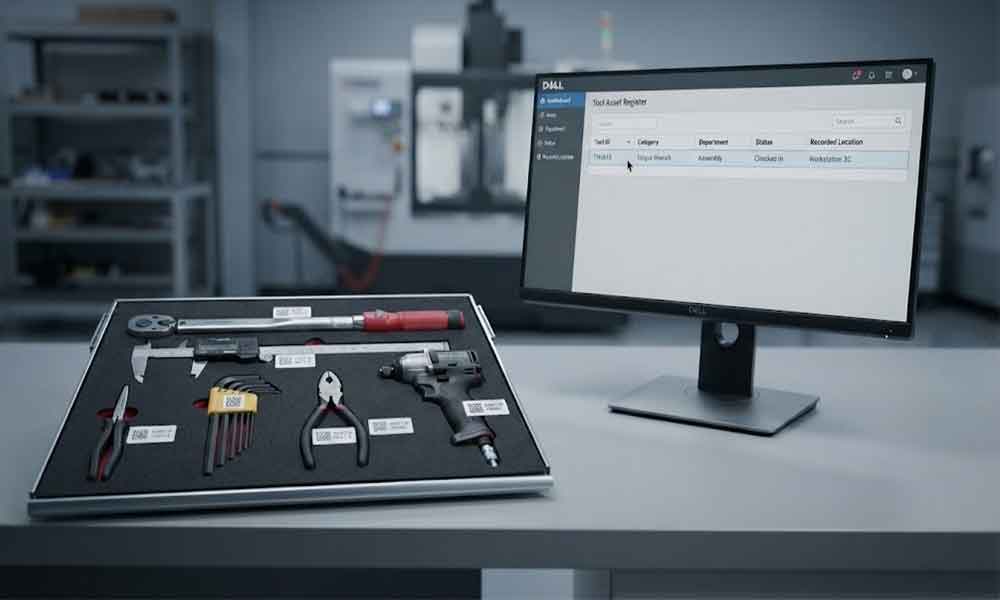
Each managed tool is associated with a digital record. Depending on the application, this record may contain a tool ID, description, category, department, assigned location, purchase information, responsible user, condition, and maintenance references.
An RFID tag provides a way to identify the physical tool. An RFID reader or cabinet reading system detects compatible tags, while software associates the captured identification data with the corresponding asset records.
An RFID smart tool cabinet adds a practical control point to this process. It can support tool storage, user authentication, checkout and return recording, and inventory checks. The exact functions depend on the cabinet hardware, software configuration, and integration requirements.
For factories managing hundreds or thousands of tools, this connection between physical storage and digital records can make routine asset management more consistent.
A spreadsheet may show that a tool belongs to the maintenance department, but the tool could be in a technician’s toolbox, on a production line, awaiting inspection, or temporarily stored in another workshop.
These gaps create several practical problems.
Over time, the asset register and physical inventory can become inconsistent.
For maintenance and production teams, knowing that a tool exists is not enough. They also need to understand its current operational status.
A tool can receive a unique asset ID and a suitable RFID tag. The corresponding software record stores the tool’s basic information and links the physical item to its digital identity.
The record might include the tool category, model, serial number, department, storage location, and asset status. Additional fields can be included when needed.
RFID tags do not necessarily need to store all this information themselves. In many deployments, the tag provides an identifier, while the main record remains in the management system.
This arrangement makes it easier to update asset information without rewriting the entire record on the physical tag.
When a tool is checked out or returned through a supported workflow, the system can record the transaction and update the associated location or custody information. Where several cabinets are connected to a shared platform, authorized users may be able to view tool records across departments or facilities.
However, a cabinet transaction does not automatically prove the exact real-time location of a tool after it leaves the cabinet. If a technician carries the tool to another work area, the system needs an additional recording method or tracking infrastructure to establish its subsequent location.
Clear rules for transfers, returns, and temporary storage help keep location records useful.
A connected cabinet can support user authentication and tool checkout records. Depending on the configuration, a transaction may link a tool, user, timestamp, and cabinet location.
These records help supervisors investigate missing tools, review borrowing history, and identify repeated problems in a shared tool room.
For high-value assets, permission rules can also restrict access to selected tools or categories. The system should match these rules to actual job responsibilities rather than making access unnecessarily complicated.
A compatible cabinet may identify multiple tagged tools during an inventory process, depending on the tag design, tool materials, cabinet structure, antenna arrangement, and reading configuration.
The resulting records can be compared with the expected inventory to identify discrepancies. Staff can then investigate missing, unexpected, or incorrectly registered tools.
RFID does not guarantee perfect reading in every environment. Metal surfaces, closely packed tools, tag orientation, and overlapping read zones can affect performance. Representative tools should be tested before a system is deployed at scale.
For example, a tool may be registered and present in a cabinet but unavailable because it is damaged or overdue for inspection. Another tool may be available but assigned to a different department.
A well-designed system can distinguish between statuses such as available, checked out, under maintenance, awaiting inspection, and retired. The exact status model should reflect the company’s operating procedures.
Where calibration or maintenance records are important, the asset management system can link to the relevant maintenance or quality software instead of keeping disconnected copies of the same information.
Not every tool needs every field. Adding too many mandatory fields can make registration slow and increase the chance of incomplete records.
A better approach is to define the minimum information needed for all tools, then add specialized fields for high-value equipment, calibrated instruments, or tools subject to stricter controls.
An RFID tool cabinet can help connect physical tools with digital asset records. Instead of relying entirely on spreadsheets or manual sign-out sheets, a company can use RFID identification, cabinet transactions, and management software to improve visibility into tool identity, location, availability, and responsibility.
The objective is not simply to count tools. It is to make tool assets easier to identify, manage, audit, and allocate throughout daily operations.
What Is RFID Tool Asset Management?
RFID tool asset management is the process of identifying, recording, locating, and controlling tools with the help of radio frequency identification technology and connected management software.Each managed tool is associated with a digital record. Depending on the application, this record may contain a tool ID, description, category, department, assigned location, purchase information, responsible user, condition, and maintenance references.
An RFID tag provides a way to identify the physical tool. An RFID reader or cabinet reading system detects compatible tags, while software associates the captured identification data with the corresponding asset records.
An RFID smart tool cabinet adds a practical control point to this process. It can support tool storage, user authentication, checkout and return recording, and inventory checks. The exact functions depend on the cabinet hardware, software configuration, and integration requirements.
For factories managing hundreds or thousands of tools, this connection between physical storage and digital records can make routine asset management more consistent.
Why Industrial Tool Assets Are Difficult to Manage
Many factories already have an asset register. The problem is that the register does not always reflect what happens on the workshop floor.A spreadsheet may show that a tool belongs to the maintenance department, but the tool could be in a technician’s toolbox, on a production line, awaiting inspection, or temporarily stored in another workshop.
These gaps create several practical problems.
Asset records become outdated
Tools may be transferred between departments without updating their assigned locations. Staff may also replace a damaged tool, change its storage position, or lend it to another team without updating the relevant records.Over time, the asset register and physical inventory can become inconsistent.
Responsibility is difficult to establish
When several technicians share the same equipment, it may be unclear who last checked out a tool or who should return it. This is especially challenging for expensive, specialized, or frequently shared tools.Manual audits consume time
A conventional asset audit may require employees to visit storage locations, read labels, compare serial numbers, and update spreadsheets. If tools are distributed across multiple locations, the work becomes more complicated.Asset availability is not always clear
A tool may exist in the asset register but still be unavailable for work. It could be checked out, misplaced, damaged, reserved, or awaiting inspection.For maintenance and production teams, knowing that a tool exists is not enough. They also need to understand its current operational status.
How RFID Tool Cabinet Supports Asset Management
Connect each tool with digital asset record
The first step is to establish a reliable identity for every managed tool.A tool can receive a unique asset ID and a suitable RFID tag. The corresponding software record stores the tool’s basic information and links the physical item to its digital identity.
The record might include the tool category, model, serial number, department, storage location, and asset status. Additional fields can be included when needed.
RFID tags do not necessarily need to store all this information themselves. In many deployments, the tag provides an identifier, while the main record remains in the management system.
This arrangement makes it easier to update asset information without rewriting the entire record on the physical tag.
Improve visibility into tool locations
An RFID tool cabinet provides a defined location where tools can be stored and identified.When a tool is checked out or returned through a supported workflow, the system can record the transaction and update the associated location or custody information. Where several cabinets are connected to a shared platform, authorized users may be able to view tool records across departments or facilities.
However, a cabinet transaction does not automatically prove the exact real-time location of a tool after it leaves the cabinet. If a technician carries the tool to another work area, the system needs an additional recording method or tracking infrastructure to establish its subsequent location.
Clear rules for transfers, returns, and temporary storage help keep location records useful.
Record tool custody and responsibility
Asset management often requires more than knowing where a tool is stored. Managers also need to know who has taken responsibility for it.A connected cabinet can support user authentication and tool checkout records. Depending on the configuration, a transaction may link a tool, user, timestamp, and cabinet location.
These records help supervisors investigate missing tools, review borrowing history, and identify repeated problems in a shared tool room.
For high-value assets, permission rules can also restrict access to selected tools or categories. The system should match these rules to actual job responsibilities rather than making access unnecessarily complicated.
Make asset inventory easier to maintain
RFID identification can reduce the amount of manual work required for routine tool checks.A compatible cabinet may identify multiple tagged tools during an inventory process, depending on the tag design, tool materials, cabinet structure, antenna arrangement, and reading configuration.
The resulting records can be compared with the expected inventory to identify discrepancies. Staff can then investigate missing, unexpected, or incorrectly registered tools.
RFID does not guarantee perfect reading in every environment. Metal surfaces, closely packed tools, tag orientation, and overlapping read zones can affect performance. Representative tools should be tested before a system is deployed at scale.
Connect asset status with daily operations
A tool’s asset record becomes more useful when it reflects operational conditions.For example, a tool may be registered and present in a cabinet but unavailable because it is damaged or overdue for inspection. Another tool may be available but assigned to a different department.
A well-designed system can distinguish between statuses such as available, checked out, under maintenance, awaiting inspection, and retired. The exact status model should reflect the company’s operating procedures.
Where calibration or maintenance records are important, the asset management system can link to the relevant maintenance or quality software instead of keeping disconnected copies of the same information.
What Information Should Tool Asset Record Contain?
The required data depends on tool value, risk, usage, and company procedures. A practical starting point is to define a consistent record structure.| Asset information | Management purpose |
|---|---|
| Unique asset ID | Distinguishes one tool from another |
| RFID tag ID | Connects the physical tag with the digital record |
| Tool name and category | Makes search and reporting easier |
| Model or serial number | Supports identification and verification |
| Assigned department | Shows organizational responsibility |
| Current recorded location | Helps users find the tool |
| Asset status | Shows availability or restrictions |
| Current custodian | Supports accountability for checked-out tools |
| Transaction history | Records issue, return, and transfer events |
| Maintenance or inspection reference | Connects the tool with relevant service records |
| Purchase or asset value | Supports financial and replacement reviews where required |
A better approach is to define the minimum information needed for all tools, then add specialized fields for high-value equipment, calibrated instruments, or tools subject to stricter controls.