Introduction
High-value tools create a different management problem from ordinary workshop tools.A missing screwdriver may be inconvenient. A missing torque wrench, precision measuring instrument, specialized maintenance tool, or expensive production tool can create a much larger operational and financial problem.
Traditional storage methods often depend on labels, sign-out sheets, or employees remembering where a tool was placed.
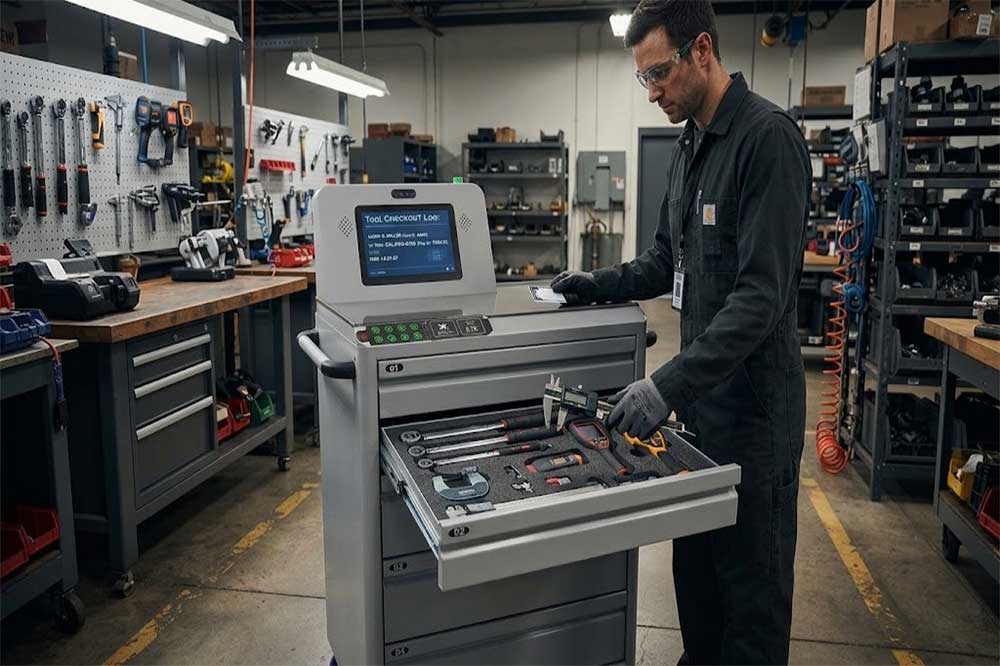
An RFID tool cabinet can connect the physical tool with its RFID identity, user, storage location, and transaction history. This creates a more structured way to manage tools that require tighter control.
1. Why High-Value Tools Need More Control
High-value tools often have several characteristics:- High replacement cost
- Limited availability
- Specialized applications
- Calibration requirements
- Restricted users
- Frequent movement
- High operational importance
Without a clear transaction record, it can become difficult to answer simple questions:
Who took the tool?
When was it removed?
Has it been returned?
Where should it be now?
Was it used for the correct task?
An RFID tool cabinet can help record these events automatically.
2. What Counts as a High-Value Tool?
The definition varies by organization.Examples can include:
- Precision torque wrenches
- Calibration instruments
- Specialized electrical tools
- Inspection equipment
- Aerospace maintenance tools
- Production-specific tools
- Diagnostic equipment
- Specialized power tools
- Measurement devices
- Expensive hand tools
A relatively inexpensive tool may still be critical if production cannot continue without it.
Therefore, organizations should consider both financial value and operational importance when deciding which tools require enhanced control.
3. RFID Identification for Individual Tools
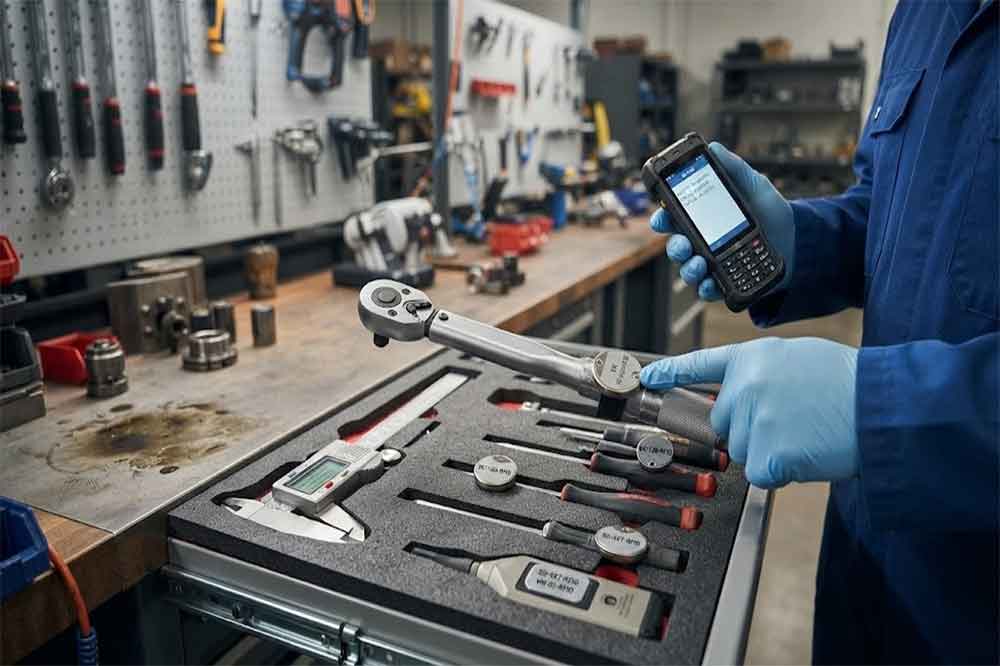
The first step is giving each controlled tool a unique RFID identity.A typical record may include:
| Field | Example |
|---|---|
| Tool ID | TW-00428 |
| Tool Name | Digital Torque Wrench |
| RFID Tag | TAG-00428 |
| Category | Calibration Tool |
| Department | Maintenance |
| Cabinet | Cabinet A |
| Status | Available |
| Calibration Date | 2026-10-15 |
Two identical torque wrenches can therefore have different digital records even though they look almost the same physically.
4. Use Suitable RFID Tags
High-value tools are often made from metal.Metal surfaces can affect RFID performance, so tag selection matters.
Depending on the tool, an on-metal RFID tag may be more appropriate than a standard label.
The tag should also survive the working environment.
Consider:
- Impact
- Oil
- Dust
- Moisture
- Cleaning
- Temperature
- Repeated handling
- Tool surface material
For expensive equipment, the physical attachment method is also important. A tag that becomes detached can break the relationship between the physical tool and its digital identity.
5. Control Who Can Access High-Value Tools
Not every employee needs access to every tool.An RFID smart tool cabinet can use user authentication before allowing access.
Depending on the system, authentication may involve:
- RFID employee card
- RFID badge
- PIN
- Barcode
- Biometric identification
- User account
- Department
- Job role
- Tool category
- Certification
- Work assignment
- Supervisor approval
This creates a stronger access-control process than simply keeping the tool in an unlocked cabinet.
6. Record Every Checkout and Return
For high-value tools, the transaction history is often as important as the current location.A typical transaction can record:
- User
- Tool
- Cabinet
- Date
- Time
- Action
- Tool status
09:12 — Technician 1025 — Tool TW-00428 — Checked Out
Later:
14:36 — Technician 1025 — Tool TW-00428 — Returned
This provides a basic accountability trail.
It also makes it easier for supervisors to investigate missing tools without asking every employee individually.