
Tool loss is one of those problems that almost every factory accepts as “normal”.
But it shouldn’t be.
Wrenches go missing.
Special tools don’t come back.
And nobody wants to take responsibility.
Over time, this turns into:

They lose tools because of lack of control.
Common situations:
If people don’t scan, the system fails.
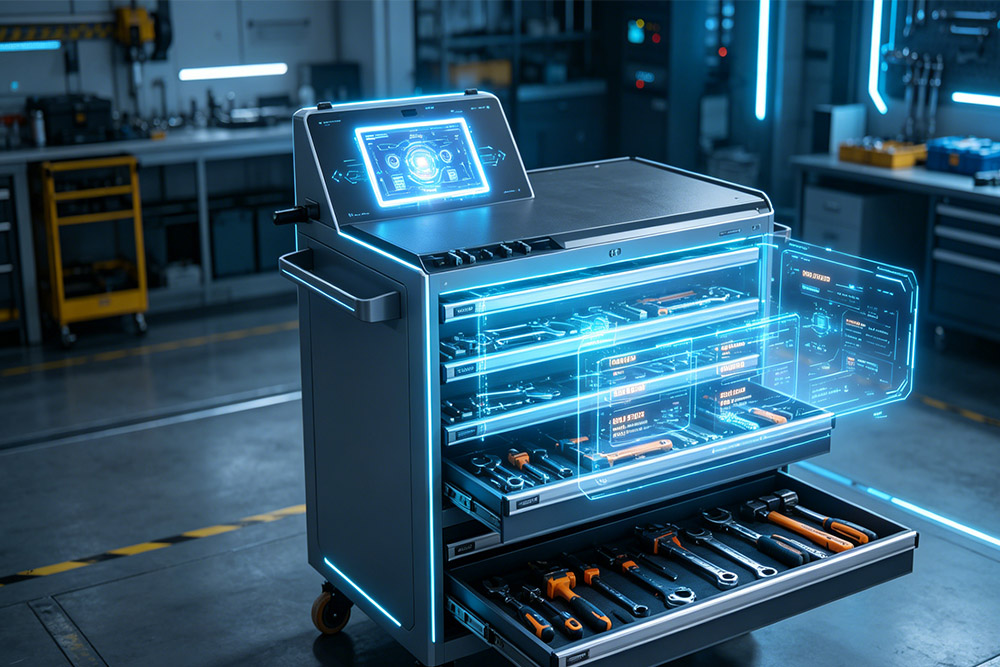
When tools are placed inside an RFID cabinet:
What makes it effective is not just tracking—but workflow control:
People become accountable—without extra effort
They care about:
“How much money can we save?”
Here’s where the ROI comes from:
RFID systems are usually faster than manual processes.
Why?
It’s about visibility and control.
RFID tool cabinets solve both—without adding complexity to daily work.
Instead of chasing tools,
you create a system where tools don’t go missing in the first place.
But it shouldn’t be.
Wrenches go missing.
Special tools don’t come back.
And nobody wants to take responsibility.
Over time, this turns into:
- Repeated purchases of the same tools
- Delays in maintenance and production
- Internal friction between teams
1. Why Tool Loss Happens
Most companies don’t lose tools because of theft.They lose tools because of lack of control.
Common situations:
- Tools are shared across shifts
- Workers borrow tools without logging
- No one tracks return deadlines
- Storage areas are open or unmanaged
If people don’t scan, the system fails.
2. What Changes with RFID Tool Cabinets
RFID doesn’t rely on behavior—it relies on automation.When tools are placed inside an RFID cabinet:
- Every tool is automatically identified
- Inventory updates instantly
- Missing items are flagged in real time
The key difference:
You move from “recording usage” → to “controlling access”3. How RFID Cabinets Actually Reduce Loss
Let’s break it down into real mechanisms:Controlled Access
Only authorized users can open the cabinetUser-Level Tracking
Each action is tied to a specific personReal-Time Alerts
If a tool is not returned, the system flags it immediatelyAutomatic Inventory
No more waiting for monthly or weekly checks4. Example: CK-GT1 RFID Tool Cabinet in Action
In actual deployments, systems like the CK-GT1 RFID Intelligent Tool Cabinet are used to enforce this level of control.What makes it effective is not just tracking—but workflow control:
- Workers must authenticate before access
- Tools are automatically logged when removed
- The system compares “expected vs actual” inventory
- Missing tools trigger alerts instantly
People become accountable—without extra effort
5. Before vs After RFID Implementation
Before RFID:
- Open storage or basic cabinets
- Manual logs (often incomplete)
- Frequent tool loss
- Time wasted searching
After RFID:
- Controlled access to tools
- Automatic usage records
- Immediate visibility of missing items
- Faster operations
6. Real ROI
Most buyers don’t care about RFID itself.They care about:
“How much money can we save?”
Here’s where the ROI comes from:
- Fewer lost or unreturned tools
- Reduced duplicate purchases
- Less downtime waiting for tools
- Lower labor cost for inventory checks
7. Where This Matters Most
RFID tool cabinets are especially valuable in:Manufacturing Plants
Shared tools across multiple shiftsOil & Gas
High-value tools in remote environmentsAerospace / MRO
Strict tool accountability requirementsConstruction Projects
Temporary teams and mobile tool usage8. Common Concern: Will It Slow Workers Down?
This is a real concern—but in practice:RFID systems are usually faster than manual processes.
Why?
- No scanning required
- No paperwork
- Faster tool retrieval
9. Final Thoughts
Tool loss is rarely about tools.It’s about visibility and control.
RFID tool cabinets solve both—without adding complexity to daily work.
Instead of chasing tools,
you create a system where tools don’t go missing in the first place.