
Marketplace Platforms: The Engine Behind Today’s Digital Economy
In the last decade, marketplace platforms have emerged as one of the most transformative business models of the digital age. From Amazon and Airbnb to Fiverr and Etsy, these platforms are reshaping how we buy, sell, work, and connect. But what exactly are marketplace platforms, and why have they become so influential?What is a Marketplace Platform?
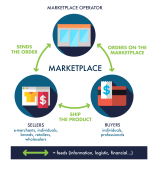
A marketplace platform is a digital environment that connects buyers and sellers, facilitating transactions between them. Unlike traditional retailers, marketplace operators typically do not own the inventory or directly provide the service. Instead, they offer the infrastructure, trust mechanisms, and tools needed for smooth and secure interactions.Think of it as the modern-day marketplace square—only now, it’s global, 24/7, and powered by code.
Types of Marketplace Platforms
Marketplace platforms come in many forms, depending on the type of exchange they facilitate:- Product Marketplaces
These platforms connect sellers of physical goods with consumers. Examples: Amazon, eBay, Etsy. - Service Marketplaces
These connect individuals or businesses with professionals offering services. Examples: Fiverr, Upwork, Thumbtack. - Rental Marketplaces
These allow users to rent assets such as homes, cars, or equipment. Examples: Airbnb, Turo, Fat Llama. - Peer-to-Peer (P2P) Marketplaces
These enable direct exchanges between individuals, often facilitated by user ratings and secure payments. Examples: Facebook Marketplace, Depop.
Why Marketplace Platforms Are Booming
1. Scalability
Marketplaces scale fast because they don’t need to own inventory. Instead, they grow by adding more users on both sides—buyers and sellers.2. Network Effects
The value of the platform increases as more users join. More sellers mean more variety; more buyers mean more sales—benefiting everyone.3. Low Overhead
With less investment in inventory or physical infrastructure, marketplaces can be lean, agile, and highly profitable once they achieve scale.4. Global Reach
A well-designed digital platform can instantly connect users across borders, giving sellers access to global markets.Challenges in Building a Marketplace
Despite their advantages, marketplaces are notoriously hard to build. Key challenges include:- Chicken-and-Egg Problem: It’s hard to attract buyers without sellers and vice versa.
- Trust and Safety: Ensuring secure transactions and protecting against fraud is crucial.
- Quality Control: Since the platform doesn’t own the products or services, maintaining quality becomes a challenge.
- Regulatory Issues: From labor laws to tax regulations, marketplaces often operate in grey areas of legislation.
The Future of Marketplace Platforms
The next generation of marketplace platforms is becoming increasingly specialized. Niche marketplaces are booming—think StockX for sneakers, Reverb for musical instruments, or 1stDibs for luxury antiques. Technologies like AI, blockchain, and augmented reality are also pushing the boundaries of what’s possible, improving personalization, authentication, and user experience.Sustainability and circular economy models are also gaining traction. Marketplaces for second-hand goods, rentals, and upcycling are seeing a surge as consumers seek more eco-conscious choices.
Final Thoughts
Marketplace platforms are more than just digital middlemen—they’re catalysts of economic activity, innovation, and social change. Whether you're a startup founder, investor, seller, or buyer, understanding how these platforms work and evolve can help you make smarter decisions in the digital economy.In a world that's increasingly platform-driven, one thing is clear: the future of commerce, services, and even work is being built on marketplaces.