
gamblingad
Member
I’ve been thinking a lot about how to make pharmacy marketing actually deliver results instead of just spending money on ads that might or might not work. I kept hearing about ROI-driven strategies, but honestly, I wasn’t sure if it was worth all the hype or how to apply it in a real way.
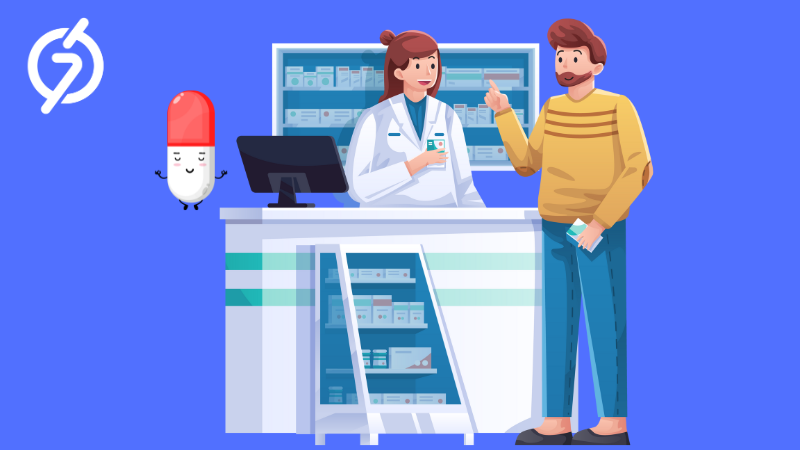
The main challenge I faced was wasting time and money on campaigns that didn’t bring anything back. I tried running ads across different platforms, changing messages, and experimenting with promotions, but it felt like I was guessing most of the time. Seeing little to no measurable results was frustrating because I knew the potential was there, but I couldn’t figure out how to actually capture it.
One thing that helped a lot was reading about real-world examples of ROI-focused strategies. People shared what worked and what didn’t, and it helped me understand that it’s not about complicated tools or big budgets. It’s about paying attention to the data you already have and making gradual, consistent improvements. If you’re curious and want a resource that really lays out how to focus on ROI, this guide helped me a lot: Advertising ROI through pharmacy strategies.
At the end of the day, focusing on ROI has made me feel more in control of my pharmacy marketing. It’s a slow learning process, but worth it when you start seeing actual results instead of just hoping for them. If you’re struggling with campaigns or wondering if an ROI-driven approach makes a difference, I’d say give it a try and pay attention to what the data tells you.
The main challenge I faced was wasting time and money on campaigns that didn’t bring anything back. I tried running ads across different platforms, changing messages, and experimenting with promotions, but it felt like I was guessing most of the time. Seeing little to no measurable results was frustrating because I knew the potential was there, but I couldn’t figure out how to actually capture it.
Personal Test and Insight
Then I started testing some approaches focused on ROI rather than just impressions or clicks. I began tracking what really mattered like inquiries, sales, and repeat engagement from patients. I realized that even small adjustments, like changing the timing of an ad, tweaking the wording, or targeting a slightly different audience, could make a noticeable difference. It wasn’t instant, but over time, I began seeing patterns and could make better decisions about where to invest my efforts.One thing that helped a lot was reading about real-world examples of ROI-focused strategies. People shared what worked and what didn’t, and it helped me understand that it’s not about complicated tools or big budgets. It’s about paying attention to the data you already have and making gradual, consistent improvements. If you’re curious and want a resource that really lays out how to focus on ROI, this guide helped me a lot: Advertising ROI through pharmacy strategies.
Soft Solution Hint
What I realized is that being ROI-focused changes your approach completely. Instead of throwing money at multiple campaigns and hoping for the best, you start thinking carefully about what matters most for your business. Tracking the right metrics and acting on them gives you a much clearer picture of what’s working and what isn’t. It makes marketing feel more manageable and less like a guessing game.Closing Thoughts
Honestly, I’m still experimenting and learning, but seeing even small improvements in ROI has been motivating. It’s not about perfection or following someone else’s exact strategy. It’s about understanding your audience, monitoring results, and making incremental changes. Over time, those small adjustments really add up.At the end of the day, focusing on ROI has made me feel more in control of my pharmacy marketing. It’s a slow learning process, but worth it when you start seeing actual results instead of just hoping for them. If you’re struggling with campaigns or wondering if an ROI-driven approach makes a difference, I’d say give it a try and pay attention to what the data tells you.