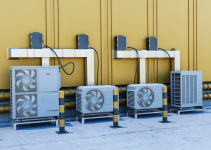
Refrigerants are essential working fluids used in air-conditioning, refrigeration, chillers, heat pumps, cold-storage systems, and other cooling equipment. They enable heat transfer and temperature control across residential, commercial, industrial, automotive, and food-processing applications. In the GCC, extreme temperatures, urban development, expanding commercial infrastructure, and industrial activity are creating sustained requirements for reliable cooling systems, while environmental regulations are encouraging a gradual transition toward lower-global-warming-potential refrigerants.
A recent study by MarkNtel Advisors highlights that the GCC refrigerant outlook was valued at USD 1.04 billion in 2025. It is projected to grow from USD 1.12 billion in 2026 to USD 1.74 billion by 2032, registering a CAGR of 6.76% during 2026–2032. Expansion reflects increasing demand for air conditioning and refrigeration, large-scale infrastructure development, technological advances in cooling systems, rising adoption of low-GWP alternatives, and regulatory efforts supporting refrigerant transition across Saudi Arabia, the UAE, Qatar, Kuwait, Bahrain, and Oman.
Research published by the Middle East Institute's Gulf heat resilience initiative notes that cooling demand in the GCC is expected to triple by 2030, while air conditioning is projected to account for 60% of additional power-generation requirements in the region. This highlights the scale of cooling infrastructure needed as temperatures, urbanization, and economic activity continue to increase.
The GCC's expanding tourism, hospitality, retail, and mixed-use developments are also increasing cooling requirements. Large-scale developments require HVAC and refrigeration systems capable of operating reliably under demanding climatic conditions, creating opportunities for refrigerant suppliers and service providers supporting new installations as well as existing equipment.
Hydrofluorocarbons (HFCs) remain widely used across existing systems, while hydrochlorofluorocarbons (HCFCs) continue to require servicing and replacement in older equipment. At the same time, hydrofluoroolefins (HFOs) are emerging as lower-GWP alternatives within fluorocarbon-based technologies.
The Kigali Amendment establishes an international framework for reducing HFC consumption and encouraging the transition toward climate-friendly alternatives. GCC countries are part of the developing-country group covered by the HFC phasedown framework, creating a longer-term transition pathway for cooling equipment and refrigerant supply chains.
The MarkNtel Advisors study identities CO₂, ammonia, and hydrocarbons among the low-GWP alternatives gaining relevance in the GCC. Advances in high-pressure CO₂ systems are also improving their competitiveness in commercial and industrial applications, particularly as manufacturers develop equipment designed for demanding high-temperature environments.
Saudi Arabia's Vision 2030 development program includes major residential, commercial, tourism, transportation, and industrial projects, all of which require substantial HVAC infrastructure. The expansion of these developments is supporting demand for cooling equipment and the refugees used throughout installation and servicing cycles.
The MarkNtel Advisors study highlights advances in high-pressure CO₂ refraction systems, including improvements in operational efficiency and reliability. Such developments are important for the GCC because cooling systems must maintain performance under high ambient temperatures and demanding operating conditions.
Saudi Arabia's NEOM and other major development programs are examples of projects creating substantive requirements for cooling infrastructure. The MarkNtel Advisors study links the region's construction pipeline with increased HVAC and refraction demand, supporting the broker requirement for refrigers.
UNIDO's work on refrigerant management in Oman highlights challenges including retrofitting costs, specialized technological training, and investment in safety-compliant tools and infrastructure. At the same time, refreshing recovery, recycling, and reconciliation can create opportunities for more circular cooling-system supply chains.
Future development will remain connected with regional temperature conditions, infrastructure expansion, regulatory transitions, refrigerant recovery, equipment efficiency, and technological innovation. As GCC countries continue developing cooling-intensive urban and industrial environments, referant technologies will play an important role in supporting reliable temperature control while adapting to lower-GWP requirements.
A recent study by MarkNtel Advisors highlights that the GCC refrigerant outlook was valued at USD 1.04 billion in 2025. It is projected to grow from USD 1.12 billion in 2026 to USD 1.74 billion by 2032, registering a CAGR of 6.76% during 2026–2032. Expansion reflects increasing demand for air conditioning and refrigeration, large-scale infrastructure development, technological advances in cooling systems, rising adoption of low-GWP alternatives, and regulatory efforts supporting refrigerant transition across Saudi Arabia, the UAE, Qatar, Kuwait, Bahrain, and Oman.
Cooling Demand Supports Refrigerant Consumption
High temperatures across the GCC make air conditioning an essential part of residential, commercial, hospitality, healthcare, transportation, and industrial infrastructure. Longer cooling periods and high operating loads increase the need for air-conditioning equipment and, consequently, refrigerants used for system installation, servicing, maintenance, and replacement.Research published by the Middle East Institute's Gulf heat resilience initiative notes that cooling demand in the GCC is expected to triple by 2030, while air conditioning is projected to account for 60% of additional power-generation requirements in the region. This highlights the scale of cooling infrastructure needed as temperatures, urbanization, and economic activity continue to increase.
Commercial Applications Create Strong Requirements
The commercial segment held the largest end-user share at around 40% in 2026, according to the MarkNtel Advisors study. Commercial buildings, retail centers, hotels, restaurants, offices, hospitals, and other facilities require continuous temperature control, creating recurring requirements for refrigeration systems and refrigerant servicing.The GCC's expanding tourism, hospitality, retail, and mixed-use developments are also increasing cooling requirements. Large-scale developments require HVAC and refrigeration systems capable of operating reliably under demanding climatic conditions, creating opportunities for refrigerant suppliers and service providers supporting new installations as well as existing equipment.
Fluorocarbons Maintain a Broad Installed Base
Fluorocarbons accounted for nearly 52% of the GCC refrigerant sector in 2026, making them the leading refrigerant type. Their established supply chains, compatibility with existing HVAC infrastructure, thermodynamic characteristics, and widespread installed base continue to support demand.Hydrofluorocarbons (HFCs) remain widely used across existing systems, while hydrochlorofluorocarbons (HCFCs) continue to require servicing and replacement in older equipment. At the same time, hydrofluoroolefins (HFOs) are emerging as lower-GWP alternatives within fluorocarbon-based technologies.
Low-GWP Alternatives Gain Greater Attention
Environmental considerations are increasingly influencing refrigerant selection across the GCC. HFCs can have high global warming potential, creating pressure for alternatives that provide suitable cooling performance with lower climate impact.The Kigali Amendment establishes an international framework for reducing HFC consumption and encouraging the transition toward climate-friendly alternatives. GCC countries are part of the developing-country group covered by the HFC phasedown framework, creating a longer-term transition pathway for cooling equipment and refrigerant supply chains.
Natural Refrigerants Expand Technology Options
Natural refrigerants such as carbon dioxide, ammonia, propane, and isobutane are receiving greater attention because of their environmental characteristics and suitability for selected applications. Their adoption depends on equipment design, operating pressure, flammability, toxicity, safety requirements, and technological capabilities.The MarkNtel Advisors study identities CO₂, ammonia, and hydrocarbons among the low-GWP alternatives gaining relevance in the GCC. Advances in high-pressure CO₂ systems are also improving their competitiveness in commercial and industrial applications, particularly as manufacturers develop equipment designed for demanding high-temperature environments.
Saudi Arabia Leads Regional Demand
Saudi Arabia contributed approximately 45% of the GCC refrigerant sector in 2026, representing the largest country share. Large-scale urban development, infrastructure investment, industrial diversification, and cooling requirements are supporting the country's position.Saudi Arabia's Vision 2030 development program includes major residential, commercial, tourism, transportation, and industrial projects, all of which require substantial HVAC infrastructure. The expansion of these developments is supporting demand for cooling equipment and the refugees used throughout installation and servicing cycles.
Technology Improves Cooling Efficiency
Refrigerant development is increasingly connected with improvements in compressors, heat exchangers, controls, and high-pressure system designs. These technologies can improve system efficiency while allowing manufacturers to work with refrigers that meet evolving environmental requirements.The MarkNtel Advisors study highlights advances in high-pressure CO₂ refraction systems, including improvements in operational efficiency and reliability. Such developments are important for the GCC because cooling systems must maintain performance under high ambient temperatures and demanding operating conditions.
Infrastructure Development Expands Requirements
Large-scale construction and infrastructure projects across the GCC are creating additional demands for HVAC and renovation equipment. Residential communities, hotels, shopping centers, airports, hospitals, data centers, logistics facilities, and industrial plants all require temperature-management systems.Saudi Arabia's NEOM and other major development programs are examples of projects creating substantive requirements for cooling infrastructure. The MarkNtel Advisors study links the region's construction pipeline with increased HVAC and refraction demand, supporting the broker requirement for refrigers.
Servicing and Recovery Become More Important
The transition toward new refreshing technologies is also increasing the importance of technological training, recovery equipment, leak detection, and safe handling practices. Different refrigerants can have different pressure, flammability, toxicity, and serving requirements, making technical expertise essential.UNIDO's work on refrigerant management in Oman highlights challenges including retrofitting costs, specialized technological training, and investment in safety-compliant tools and infrastructure. At the same time, refreshing recovery, recycling, and reconciliation can create opportunities for more circular cooling-system supply chains.
Innovation Shapes Future Cooling Systems
The GCC refrigerant sector is moving toward a combination of strong cooling demand, established fluorocarbon use, low-GWP alternatives, natural refrigerants, advanced equipment, and increasingly important environmental requirements. The projected increase from USD 1.12 billion in 2026 to USD 1.74 billion by 2032 reflects continued demand across residential, commercial, industrial, automotive, and refrigeration applications.Future development will remain connected with regional temperature conditions, infrastructure expansion, regulatory transitions, refrigerant recovery, equipment efficiency, and technological innovation. As GCC countries continue developing cooling-intensive urban and industrial environments, referant technologies will play an important role in supporting reliable temperature control while adapting to lower-GWP requirements.