

armoniagem
New member
Hi everyone,
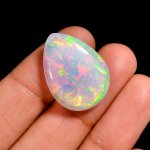
I supply Ethiopian Welo opal and this question comes up constantly from my buyers, so I thought I'd bring it to a professional community.
A large portion of "Ethiopian black opal" in the market is actually smoke-treated white opal. The stone is natural, but the body tone is dark is artificially created through smoke treatment. It is not natural black opal.Most buyers do not know this distinction exists. When they find out later, after buying Trust is broken.
My question for working jewelers here:
How do you handle this conversation with customers? Do you proactively explain the difference between natural and smoke-treated Ethiopian opal , or do you find most customers do not care as long as the stone looks good?
And for those who work with Ethiopian opal regularly do you find the hydrophane property (the way it absorbs water and temporary changes appearance) causes
issues with customers who are not aware of it beforehand?
I always disclose treatment status and explain hydrophane behavior before every sale, but curious how others handle this.
Happy to share what I have learned from The supplier side, if useful.
I supply Ethiopian Welo opal and this question comes up constantly from my buyers, so I thought I'd bring it to a professional community.
A large portion of "Ethiopian black opal" in the market is actually smoke-treated white opal. The stone is natural, but the body tone is dark is artificially created through smoke treatment. It is not natural black opal.Most buyers do not know this distinction exists. When they find out later, after buying Trust is broken.
My question for working jewelers here:
How do you handle this conversation with customers? Do you proactively explain the difference between natural and smoke-treated Ethiopian opal , or do you find most customers do not care as long as the stone looks good?
And for those who work with Ethiopian opal regularly do you find the hydrophane property (the way it absorbs water and temporary changes appearance) causes
issues with customers who are not aware of it beforehand?
I always disclose treatment status and explain hydrophane behavior before every sale, but curious how others handle this.
Happy to share what I have learned from The supplier side, if useful.