
Building a Successful D2C Platform: A Complete Guide to Development
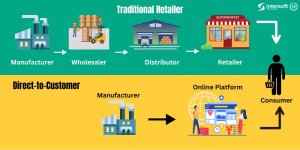
The Direct-to-Consumer (D2C) model has revolutionized how brands connect with customers. Instead of relying on intermediaries like retailers or marketplaces, D2C brands sell their products directly to consumers—unlocking better margins, full control over customer experience, and deep customer insights.With consumer preferences shifting toward seamless online experiences and personalized shopping, building a robust D2C platform is not just an opportunity—it's a necessity. In this blog, we'll break down everything you need to know about D2C platform development from scratch or optimizing an existing one.
 Why Go D2C?
Before we dive into the tech, here's why D2C matters:- Higher Profit Margins : Cut out the middlemen.
- Customer Data Ownership : Gain direct access to buyer behavior.
- Full Brand Control : Own the messaging, UX, packaging, and delivery.
- Speed to Market : Launch new products and get immediate feedback.
 Key Components of a D2C Platform
To build a strong D2C infrastructure, your platform should include the following components:1. User-Friendly E-Commerce Storefront
- Tech stack : Shopify, WooCommerce, Magento, or custom-built (React, Vue, Node.js).
- Features : Product catalog, filtering, secure checkout, mobile responsiveness, product reviews, wishlists.
- UI/UX : Seamless, fast, and mobile-first design is crucial.
2. Backend Infrastructure
- Order Management System (OMS) : Handles orders, returns, inventory, etc.
- Product Information Management (PIM) : Manages product data across channels.
- Customer Relationship Management (CRM) : Tracks user data, behavior, and segmentation.
3. Payment Gateway Integration
- Support for credit/debit cards, wallets (Apple Pay, Google Pay), BNPL (Buy Now Pay Later), and international payments.
- Common gateways: Stripe, Razorpay, PayPal, Square.
4. Logistics and Fulfillment
- Integrate with shipping APIs like ShipRocket, ShipStation, or FedEx.
- Real-time tracking, automated shipping labels, and returns management.
5. Marketing Automation & Analytics
- Tools: Klaviyo, Mailchimp, HubSpot for email and SMS automation.
- Integrate Google Analytics, Facebook Pixel, and conversion tracking.
- Use heatmaps (eg, Hotjar) to study user behavior.
6. Customer Support System
- Live chat (Tidio, Zendesk, Intercom), WhatsApp integration, chatbots, and email support.
 Tech Stack for D2C Platform Development
Here's a sample modern tech stack for a custom D2C platform:- Frontend : React.js / Next.js / Vue.js
- Backend : Node.js / Django / Laravel
- Database : PostgreSQL / MongoDB / MySQL
- CMS : Sanity.io / Strapi / WordPress (headless)
- Hosting : AWS / Vercel / Netlify / DigitalOcean
- CDN & Performance : Cloudflare, Fastly
- CI/CD & DevOps : GitHub Actions, Docker, Kubernetes
 Smart Features to Add
To stand out in the D2C space, consider integrating:- AI-powered product recommendations
- Subscription-based models
- Loyalty programs
- AR/VR product trials (eg, try-on glasses)
- Sustainability indicators (eco-friendly badges, carbon tracking)
 Development Best Practices
- Mobile-first design : Over 70% of users shop via mobile.
- SEO optimization : Structure content and metadata properly.
- Fast load times : Use image compression, lazy loading, and CDN.
- Security : Enable SSL, PCI compliance, and secure user authentication.
- A/B Testing : Test landing pages, product pages, and CTAs regularly.
 Scaling and Growth Tips
Once your D2C platform is live:- Leverage Influencer Marketing : Especially effective for niche brands.
- Use Retargeting Ads : Recover abandoned carts.
- Expand Channels : Launch native apps, social commerce, or international versions.
- Optimize Lifetime Value (LTV) : Through subscriptions, bundles, and cross-sells.
- Collect & Act on Feedback : Use NPS surveys and reviews for continuous improvement.
🛠 Final Thoughts: Built for Flexibility
D2C success hinges on one thing: control . You need to own the customer relationship, optimize the journey, and constantly iterate based on feedback.Whether you're a legacy brand pivoting to D2C or a new entrant starting from zero, building the right tech foundation is your best long-term investment.
 TL;DR
TL;DR
- D2C platforms empower brands to sell directly and control every touchpoint.
- Core components: storefront, OMS, CRM, logistics, payments, and analytics.
- Choose between quick-start platforms (like Shopify) or custom development.
- Focus on UX, scalability, security, and performance.
- Use data to constantly improve and scale operations.