
KortneyRolland
New member
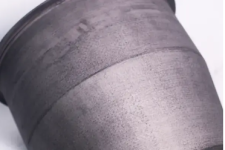
Picking a furnace lining often feels like choosing between products that all promise the same thing. They all say they resist heat. The real differences show up in the details: what atmosphere the furnace runs in, how fast it heats, how clean the process must be and how long the material has to last.
This article compares the main options one criterion at a time. Instead of ranking products, it shows which question each material answers best, so you can match the lining to your own furnace.
The Materials in Brief
Five groups cover most hot zones:- Ceramic fiber blankets, modules and boards
- Insulating bricks and castable linings
- Soft carbon or graphite felt
- Rigid carbon felt
- Carbon-carbon (C/C) composite parts
Criterion One: Atmosphere
Atmosphere decides more than most buyers expect. Ceramic and brick linings are oxides, so they cope well with air. Carbon-based materials behave differently. They oxidize when hot air reaches them, which wears them away over time.For that reason, carbon felt and C/C parts belong in vacuum or protective-gas chambers. If your furnace cannot guarantee that, ceramic or brick is the safer path.
Criterion Two: Weight and Heat-Up Speed
Dense bricks store a lot of heat. That helps a furnace hold temperature, but it slows heating and cooling and uses more energy to bring the lining itself up to heat. Fiber and felt products are lighter, so the chamber warms faster and responds quickly to changes.For a furnace that starts and stops often, lighter materials usually make more sense. For a furnace that stays hot for long campaigns, the extra mass of brick may not matter.
Criterion Three: Strength and Shape
Soft felt and ceramic blanket cannot carry load. Rigid carbon felt holds its shape and can be machined into cylinders and boards. C/C composite goes a step further, because carbon fibers reinforced in a carbon matrix make parts that can serve as supports, trays and heating components.If your design needs the insulation to double as a structure, rigid felt or composite parts are worth a closer look.
Criterion Four: Cleanliness
Clean processes, such as those used in semiconductor and solar production, are sensitive to loose particles and impurities. Some fibrous products can shed dust as they age, while carbon materials have their own dust risk if the surface wears. Ask each supplier about purity, ash content and surface treatments. Some designs use a protective carbon coating to limit loose particles.Criterion Five: Service Life and Cost
Price per piece tells only part of the story. A cheap lining that needs replacing often adds labor, downtime and lost production. A pricier part that lasts several times longer can cost less per year.When you compare quotes, ask each supplier for typical life in conditions like yours, not just best-case claims. If they cannot give an honest answer, treat the quote with caution.
Where Each Option Fits Best
Think of the options as tools for different jobs:- Ceramic fiber suits many air-fired furnaces that need light, fast-heating linings.
- Brick and castable suit continuous, heavy-duty service where mass is acceptable.
- Soft carbon felt suits flexible wraps inside protected atmospheres.
- Rigid carbon felt suits machined shapes in vacuum and inert-gas chambers.
- C/C composite suits load-bearing parts and heaters in those same chambers.
A Note on Naming
Product names can be confusing. Suppliers use the terms high heat insulation and similar phrases to describe very different products, so the label alone says little. Always request the data sheet, the temperature rating, the atmosphere it was designed for and the density. Those four facts tell you far more than a marketing name does.Working With a Specialist Supplier
Carbon-based hot zone parts often need to be made to a drawing. Molando produces C/C composite products, carbon fiber preforms and thermal field components for solar, semiconductor and other high-temperature uses. A supplier like this can discuss shapes, fiber structures and handling advice with you before you commit to a design.For long-term projects, high temperature insulation decisions are best made together with your furnace builder and your material supplier. Sharing chamber drawings, atmosphere details and cycle patterns early helps everyone avoid redesign later.