
PatrickBender100
New member
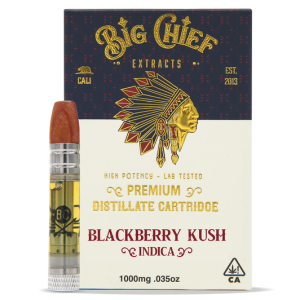
Choosing a strain can feel a bit like ordering from a menu in a language you don't speak. Names like Blue Dream, Sour Diesel, and Wedding Cake sound fun, but what do they actually tell you? Once you understand the basics, picking one becomes much easier.
When you're comparing options, browsing big chief cartridges is a useful way to see how different flavors are listed and what details come with each one. Keep in mind that effects vary from person to person, and local laws apply to where and how you can buy.
The Three Main Categories
Most strains fall into one of three groups. They're not exact science, but they give you a starting point.- Sativa: Often chosen for daytime, when people want to feel upbeat or creative.
- Indica: Usually picked for evenings and quiet nights at home.
- Hybrid: A blend of both, popular for people who want something in the middle.
Why Terpenes Matter
Strength gets all the attention, but aroma plays a big part in how a strain feels. Terpenes are the natural compounds behind scents like lemon, pine, berry, or fuel. Two products with the same THC level can taste and feel quite different because their terpene mix isn't the same.So if you liked a particular flavor, pay attention to it. Chances are you'll enjoy similar profiles in the future.
Matching a Strain to Your Day
Think about when you plan to use it, not just what sounds tasty.- Morning or early afternoon: lighter, citrusy profiles tend to be popular.
- Casual hangouts: balanced hybrids are a safe choice.
- Late evening: heaviest, earthy, or sweet profiles are often picked for winding down.
Check Before You Trust
A strain name on the box only means something if the product is genuine. Look for sealed packaging, a clear batch number, and a QR code you can scan to verify the product. Read the cannabinoid information, too. If something doesn't match or the packaging looks tampered with, leave it alone.Product specs can differ between versions and markets, so always go by what's printed on the current package.